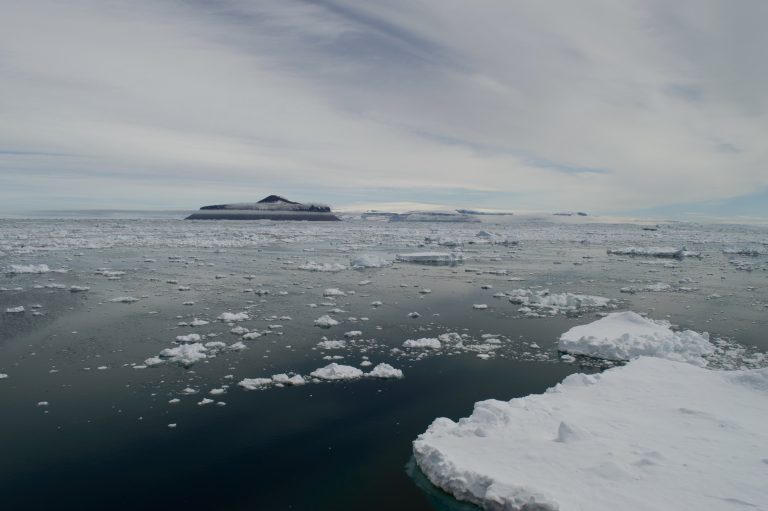

Climate adaptation is emerging as an important theme at ONS 2026. Energy activities are increasingly exposed to changing weather patterns, more volatile operating conditions and growing expectations concerning environmental performance. The challenge for offshore service companies is therefore not only to reduce their own environmental impact, but also to demonstrate that they can deliver reliable services under changing environmental conditions (ONS 2026).
Environmental capability is becoming an increasingly important qualification factor. Vessel operators, technical contractors, equipment suppliers and specialist consultancies may be required to document environmental controls before they are invited to tender or approved for an assignment. A general environmental policy is rarely sufficient. Clients increasingly expect structured systems, defined responsibilities and evidence that environmental requirements are understood and applied.
From policy to documented capability
Service companies must be able to explain how their activities can affect the external environment. Depending on the service, this may include fuel consumption, emissions, waste, chemicals, discharges, underwater noise, seabed interaction, transport and the environmental performance of subcontractors.
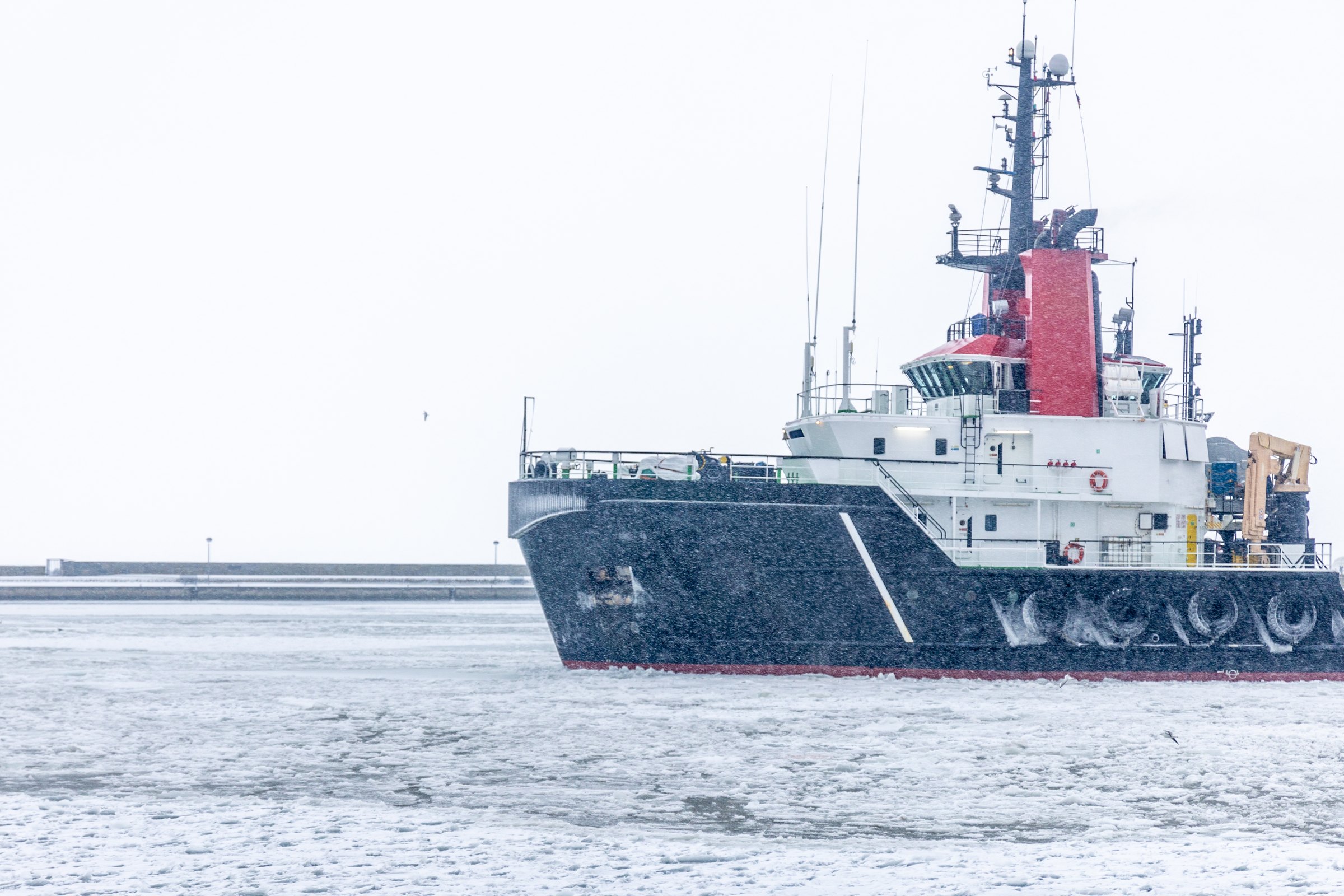
They should also consider how environmental conditions can affect their ability to deliver the service. Weather, temperature, currents, icing, visibility and seasonal ecological conditions may influence vessel operations, equipment performance, mobilisation and emergency response.
The relevant qualification questions include:
- Have the company’s environmental aspects and risks been identified?
- Are applicable legal, contractual and client requirements understood?
- Are responsibilities and operational controls clearly defined?
- Can environmental performance be measured and documented?
- Are subcontractors and suppliers subject to appropriate requirements?
- Can the company demonstrate learning and continual improvement?
These are practical questions about delivery capability—not merely certification.
The ISO 14000 perspective
The ISO 14000 family provides tools for managing different aspects of environmental performance. ISO 14001 is the central certifiable standard and provides the framework for establishing, maintaining and continually improving an environmental management system.
ISO 14001:2026 strengthens the connection between environmental management, climate change, biodiversity, resource efficiency, leadership and organisational resilience. It also places greater emphasis on environmental priorities across operations and value chains (ISO 14001:2026).
For a service company, this does not necessarily require a large or complicated management system. The system should be proportionate to the company’s activities, environmental risks and contractual responsibilities. Its value lies in providing a clear line from identified risks and requirements to procedures, competent personnel, operational controls and verifiable records.
Other standards in the ISO 14000 family can support work involving environmental auditing, life-cycle assessment, environmental communication, carbon accounting and climate adaptation. The appropriate standards will depend on the services offered and the expectations of prospective clients.
Building environmental qualification
A service company seeking offshore work should be able to present a coherent environmental qualification package. This may include:
- Environmental policy and defined responsibilities
- Environmental aspects and impacts register
- Register of applicable requirements
- Environmental objectives and performance indicators
- Procedures for waste, chemicals, emissions and incident response
- Contractor and supplier controls
- Training and competence records
- Monitoring, audits and management reviews
- Examples of corrective action and improvement
The purpose is not to produce documents for their own sake. The package must show how environmental risk is controlled during mobilisation, offshore execution, demobilisation and follow-up.
Climate adaptation adds another layer. Companies should review whether changing environmental conditions could affect equipment, logistics, operational limits or emergency arrangements. Where these factors are material, they should be incorporated into risk assessments, tender assumptions, method statements and management-of-change processes.
A credible environmental management system can help a service company move from claiming that it operates responsibly to demonstrating that it is qualified, prepared and capable of meeting client requirements.

Bruncell Larsen Strategic Advisory supports offshore and maritime service companies in developing environmental management systems, strengthening ISO 14001 alignment and documenting their capability for client qualification and tender processes. Please contact me if you would like to discuss these issues further.