
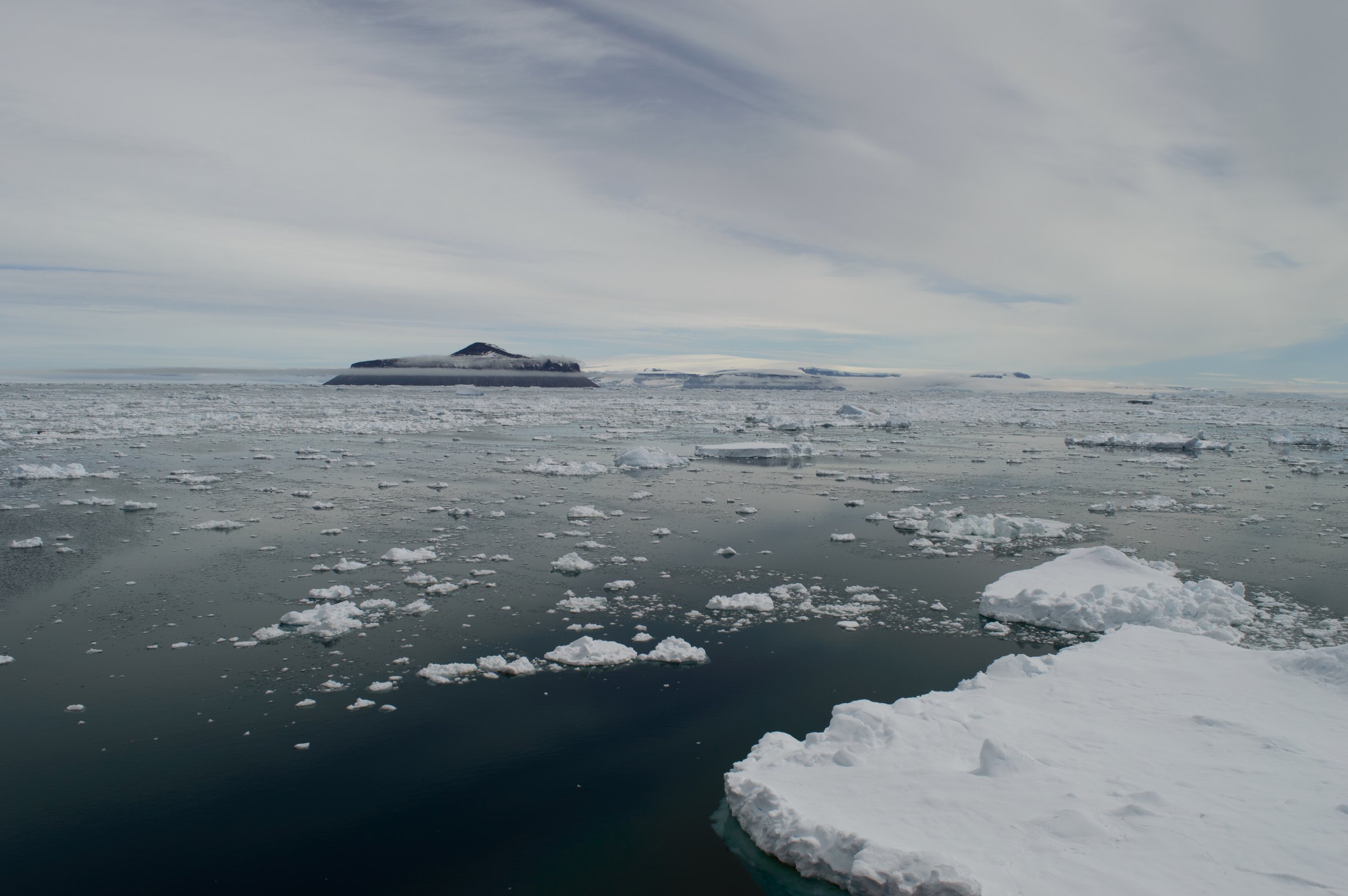
At the opening of ONS 2026, Norway’s Minister of Energy confirmed that the government intends to continue developing petroleum resources in the Barents Sea. These resources are considered important if Norway is to maintain production and remain a reliable long-term energy supplier to Europe. The EU, meanwhile, continues to raise environmental concerns about further Arctic petroleum development (Reuters, 24 August 2026).
Energy security provides a strategic argument for continued activity. It does not, however, reduce environmental risk. If activities move further north, environmental assessments, operational planning and emergency preparedness must reflect the conditions in the specific area concerned.
Area conditions must shape the risk assessment
Environmental risk cannot be assessed solely by transferring experience, models and acceptance criteria from established areas of the Norwegian continental shelf. The assessment should start with a set of area-specific questions:
- What is distinctive about the area?
- Which environmental conditions or phenomena remain uncertain?
- How could these conditions affect operations or the consequences of an incident?
- Where is additional knowledge, monitoring or research required?
- What is comparable—and not comparable—with established offshore areas?
The Barents Sea is not a uniform operating environment. Conditions, environmental resources and available infrastructure vary considerably across the region and between seasons. Risk assessments must therefore reflect where and when an activity will take place.
A changing and environmentally important sea area
The Barents Sea supports fish stocks, seabirds, marine mammals and benthic communities of considerable ecological and economic importance. The annual Barents Sea Ecosystem Survey monitors the physical and chemical environment, plankton, seabed communities, fish, seabirds, marine mammals and pollution across the region (Institute of Marine Research).
The environmental baseline is also changing. Scientific assessments have identified increasing temperatures and declining sea-ice coverage as significant changes affecting the physical environment and ecological condition of the Barents Sea (Institute of Marine Research). Historical data remain important, but may not fully represent future operating and environmental conditions.
Seasonal variations in biological activity, weather, visibility, icing and daylight can influence both environmental vulnerability and the ability to conduct safe operations. They may also affect detection, containment and recovery following an accidental release.

Distance changes the consequences
Long distances, limited infrastructure and winter darkness are established challenges for operations in the Barents Sea (Norwegian Ocean Industry Authority). Distance from shore can extend mobilisation and response times and restrict access to vessels, aircraft, equipment, ports and other supporting resources.
These conditions do not necessarily prevent responsible operations. They mean that emergency preparedness cannot be based on resources that are theoretically available but cannot arrive within the required time. Response capability must be demonstrated against realistic distances, weather limitations, mobilisation times and environmental conditions.
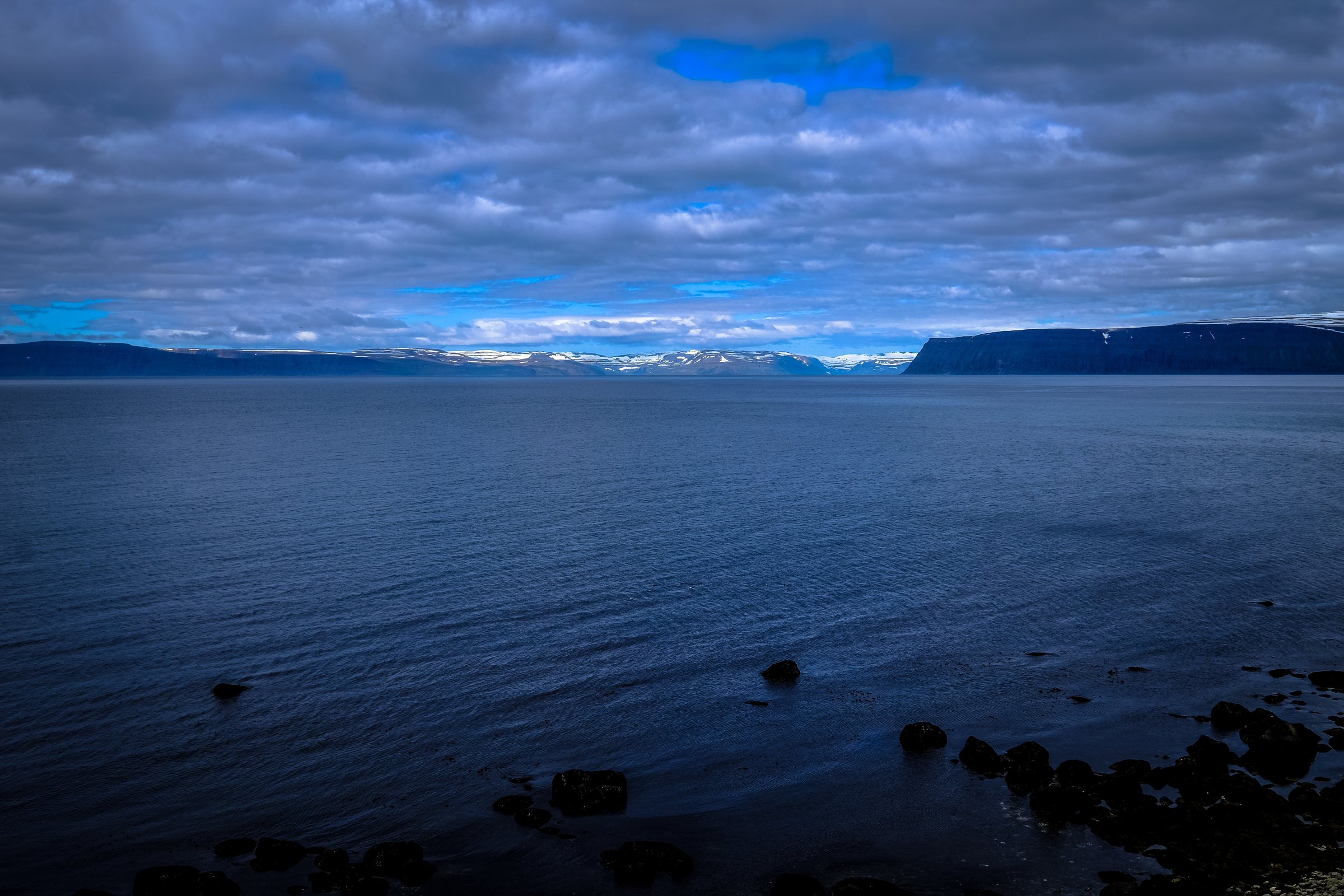
From knowledge to operational decisions
Identifying environmental conditions is only the first step. The findings must influence activity planning, vessel and equipment selection, environmental monitoring and emergency response arrangements. They should also inform operational limits and explicit criteria for starting, modifying, suspending or terminating activities.
Environmental monitoring must be capable of testing the assumptions on which decisions are based. If environmental conditions, observed effects or response capability differ materially from those assumptions, the activity should be reconsidered through clearly defined decision gates.
The strategic importance of the Barents Sea does not determine whether an individual development is environmentally acceptable. That depends on whether area-specific risks are understood, uncertainty is managed transparently, and credible controls and preparedness are in place before operations begin.
Bruncell Larsen Strategic Advisory supports organisations working with leadership, risk governance and operational assurance in complex maritime activities. Please contact me if you would like to discuss these issues further.