
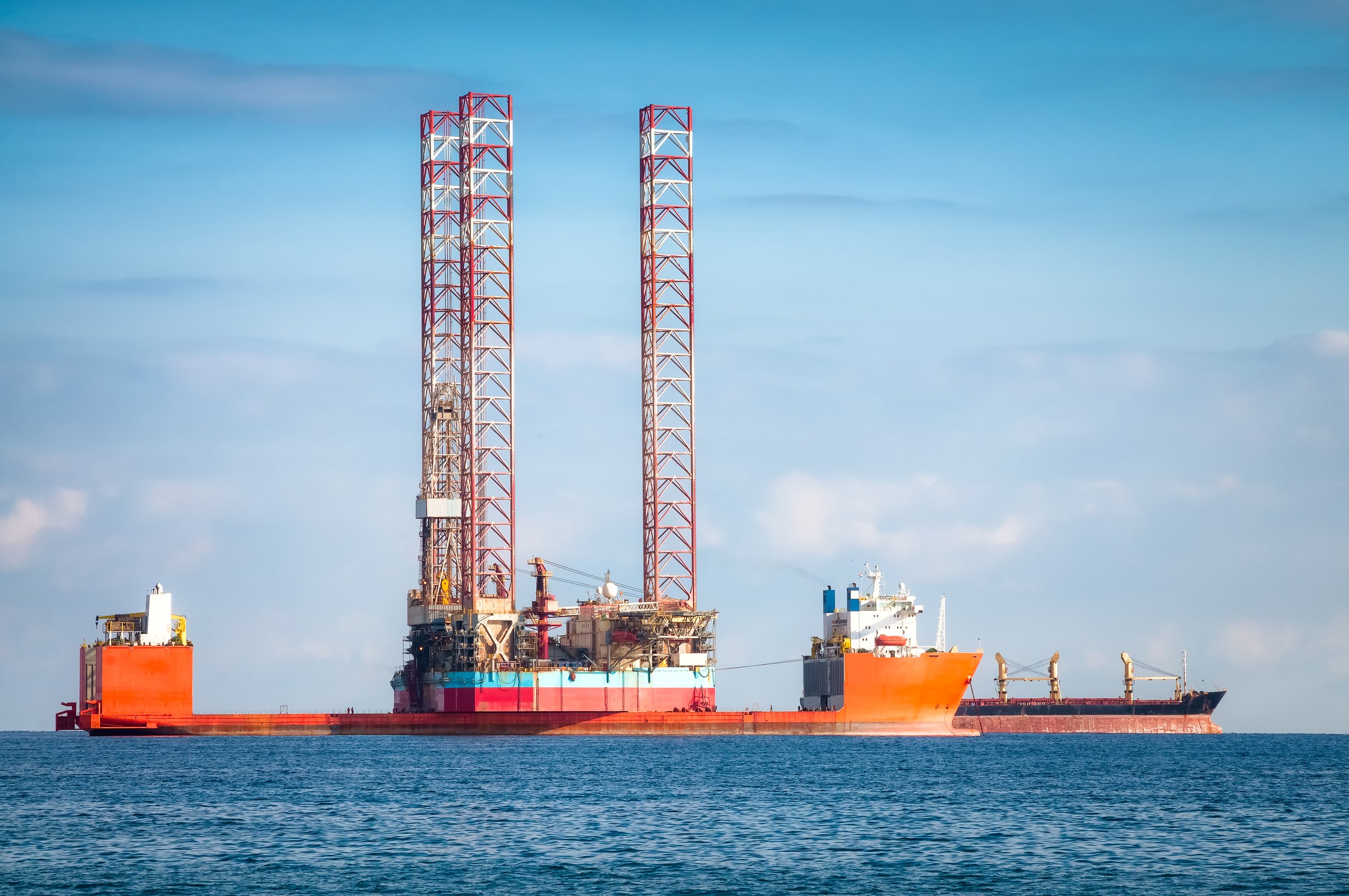
Deep-sea mining is an emerging industry, but many of its operational challenges are familiar. Activities will involve vessels, subsea systems, complex lifting and handling, remote operations, multiple contractors and safety-critical interfaces. They will also take place far from established emergency-response resources.
The industry does not need to recreate the governance principles developed through decades of offshore petroleum activity. The systems cannot simply be copied, but important lessons can be adapted to the particular legal, environmental and operational conditions of activities in the Area.
This is relevant to the ISA’s development of the Mining Code. Opening the July 2026 Council session, Secretary-General Leticia Carvalho called for rules that are science-based, implementable and enforceable. She also observed that “regulations alone do not make a governance system”.
What, then, can deep-sea mining learn from offshore petroleum?
1. Require the operator to demonstrate safety
A Safety Case requires an operator to demonstrate that major hazards have been identified, risks assessed and suitable controls established. It places responsibility on the operator rather than relying on regulatory approval as evidence that the activity is safe.
The IADC HSE Case Guidelines for Mobile Offshore Drilling Units provide a common industry method for bringing HSE principles together in a structured demonstration.
A similar approach could require deep-sea mining contractors to explain how their technology, people, procedures and management systems combine to control major operational risks.
2. Connect goal-based requirements with recognised standards
Norway’s offshore petroleum regulations are largely risk- and performance-based. They define the required outcome without prescribing every technical solution. Recognised standards and regulatory guidance then provide accepted ways of demonstrating compliance (Havtil – About the regulations).
This provides flexibility while maintaining accountability. Alternative solutions may be possible, but the operator must demonstrate that they provide an equivalent or better level of safety.
The Mining Code will similarly require a clear relationship between goal-based requirements, binding standards, recommended guidelines and documented evidence of compliance.
3. Manage major hazards through barriers
Occupational safety remains important, but it must not obscure events with low frequency and potentially severe consequences. Offshore petroleum distinguishes personal safety from major-accident risk and uses technical, operational and organisational barriers to prevent and mitigate serious events.
The IOGP Process Safety Fundamentals emphasise understanding barrier purpose, monitoring barrier condition and controlling work when barriers are degraded.
Deep-sea mining will need equivalent arrangements for hazards such as loss of station keeping, uncontrolled lifting, subsea equipment failure, collision, fire, loss of communication and emergency recovery.
4. Establish common QHSE management expectations
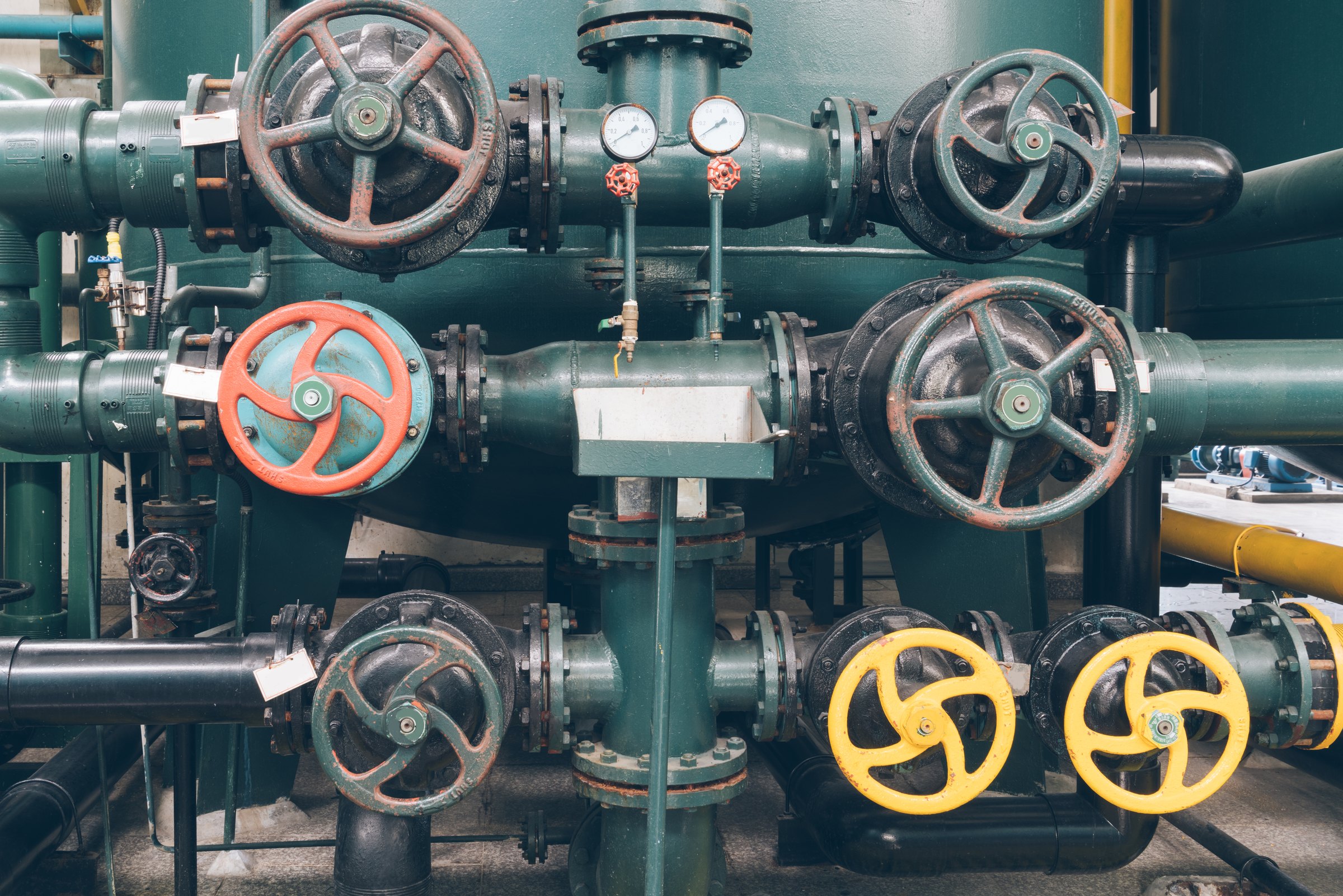
Standardised management systems provide a common structure for responsibilities, risk management, competence, operational control, emergency preparedness, audit and improvement.
The approach is well established through IADC’s integrated HSE Case framework and the shipping industry’s IMO International Safety Management Code. ISO 9001, ISO 14001 and ISO 45001 provide further internationally recognised frameworks for quality, environmental and occupational health and safety management.
Common expectations would make it easier for the ISA, sponsoring States and contractors to assess whether management arrangements are complete and effectively implemented.
5. Control contractors and operational interfaces
Offshore activities depend on operators, vessel owners, drilling contractors, equipment suppliers and specialist service companies. Experience shows that risk often develops at the boundaries between organisations.
A deep-sea mining contractor should remain responsible for defining which management system applies, how simultaneous activities are coordinated, who controls the operation and who has authority to stop work. Contracting out a task should not transfer the underlying regulatory responsibility.
Interface arrangements must be agreed before mobilisation and verified during operations.
6. Build independent assurance and shared learning
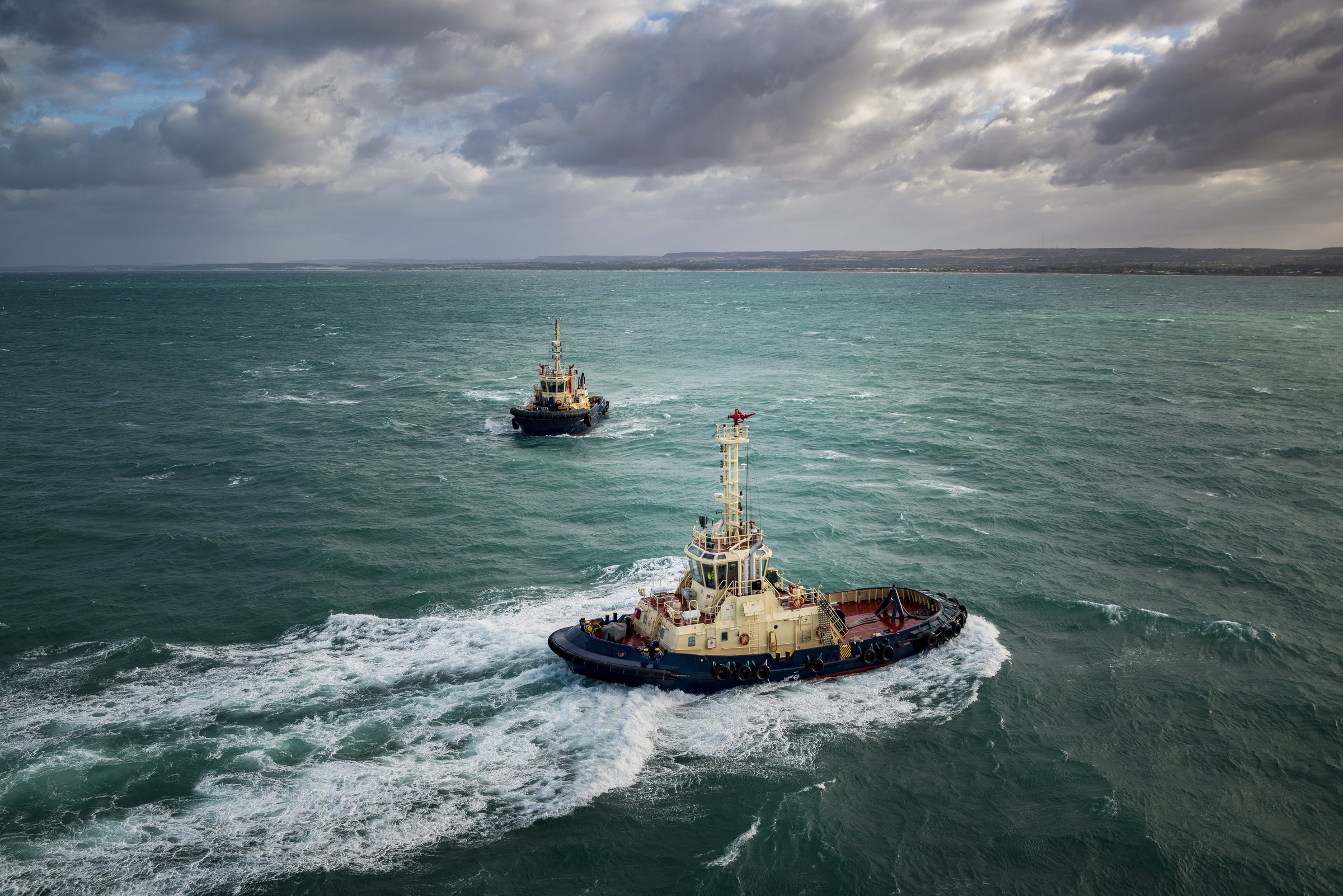
High-hazard industries do not rely exclusively on operator self-assessment. Regulatory supervision, classification, independent verification and audits provide additional confidence that safety-critical requirements are being met.
The industry must also share learning. IADC Safety Alerts and IOGP’s Learning from Events demonstrate how findings and operating experience can be communicated beyond the organisation where they originated.
Deep-sea mining should establish common reporting definitions and arrangements for sharing HSE findings, barrier weaknesses and effective improvements before commercial practices become fixed.
The central lesson is not that deep-sea mining should be regulated as offshore petroleum. It is that goal-based rules need operational systems capable of demonstrating, maintaining and improving compliance.
Bruncell Larsen Strategic Advisory supports organisations with regulatory compliance, risk-based assessments, management systems and operational assurance. If you would like assistance in applying established offshore governance principles to an emerging ocean industry, please contact me.